Info (English):
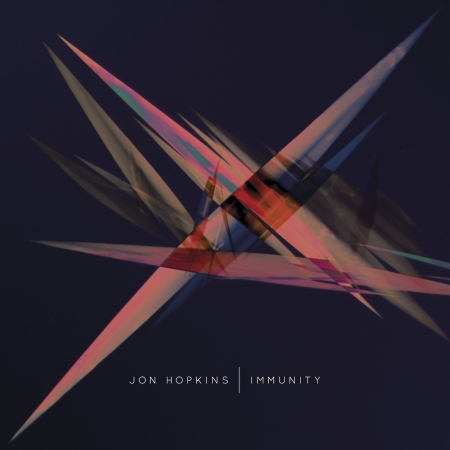
The first sound on Immunity is that of a key turning, unlocking the door into Jon Hopkins’ East London studio. It’s followed by the noise of the door slamming, then footsteps, and then finally the crisp, clipping rhythms and pulsating bass of ‘We Disappear’ emerge, signposting the most club-friendly music Hopkins’ has made to date. So begins a confident, dramatic record defined by this acute sense of physicality and place; a bold statement after the quiet, intimate Diamond Mine, his Mercury-nominated 2011 collaboration with King Creosote.
Until now, Jon Hopkins has been an elusive character, known to most as an expert producer, Ivor Novello-nominated composer of film scores, remixer and long term collaborator of Brian Eno and Coldplay. Yet as Hopkins freely admits, the fact that his solo albums to date (Opalescent, 2001; Contact Note, 2004; Insides, 2009) have been rather overshadowed by his work with others has meant that he’s been able to quietly develop his own identity, style and sound. Some of the ideas for Immunity have been in his mind for a long time, but there’s never been a rush to get them out there. It’s part of his mission to make music that feels as natural and unforced as possible.
Yet from the moment you hear that key turn in the lock, Immunity announces itself as a powerful, multi-faceted beast, packed with the most aggressively dancefloor-focussed music Hopkins has ever made. Initial indications suggest his first foray into riffs and grooves is paying off. See first single from the album, ‘Open Eye Signal’, where a high pressure hiss gives way to burbling, insistent rhythm – a chrome express train accelerating through a sunlit landscape. The track got its first outing courtesy of Apparat at a DJ set in Japan on New Year’s Eve – an email from the German musician informing Hopkins that the room had erupted made for a great late Christmas present. Or ‘Breathe This Air’ with its graceful build and huge contrasts in mood via uppity rhythms, mournful piano notes, and stirring choral drones. And then there’s ‘Collider’, the album’s peak and the track that Hopkins says is the best he’s ever written. A ten minute techno monster, ‘Collider’ is underpinned by a constant, pounding bass pulse and a sinister texture that could be a harshly taken breath inside a gas mask. The towering central riff makes for a mournful, dystopian aesthetic, cinematic like black rain over neon. Yet the bleak euphoria that suggests a knees-up at the end of the world is only half the story – the compelling 4/4 rhythm and hint of a human vocal give this a massive twist halfway through.
Hopkins deliberately structured Immunity with this colossal banger in the middle. The whole album, therefore, works as an idealised soundtrack to a massive night out, peaking with a huge, lost-in-the-moment climax that feels like more than mere hedonism, warm endorphins swilling around the mind. This desire to create dancefloor-focussed music that was a step up from the slower tempo ambience of his previous solo albums was largely inspired by months spent in clubs and at festivals touring Insides. This gradual absorption of anything from the futuristic oddness found at LA’s Low End Theory club night (at which he has made several live appearances) to sterner European techno seeped out in the studio, shaping his mission to find new melodic routes through what were for him uncharted rhythmic territories.
What makes Immunity so intriguing, however, is the methods Hopkins used to do this. A curse of contemporary clubbing is the audible strain of laptop-DJd and computer-made MP3s through powerful PA systems. Hopkins, on the other hand, went out of his way to make music that sounded like physically built things with layer upon layer of depth, a long way from the cold CGI artifice of much entirely computer-derived electronica.
This desire to use physical, real-world sounds (anything from tapping a piano and drumming on the desk to a two quid tambourine and salt and pepper shakers) as the basis for many of Immunity’s rhythms also comes from Hopkins’ frustration with the ubiquity of certain synthetic drum machine samples in much contemporary dance music. In the corner of his studio sits the piano that he has had since he was eight-years-old, and the instrument features throughout the more nostalgic second half of Immunity… but not always as you’d expect – Hopkins also uses it to explore new methods of sound generation. On ‘Form By Firelight’, for example, the pedals provide the beat, and the strings are struck for chiming tones.
Hopkins’ intent throughout was to be open to the world around him finding its way into the music, wherever he was. These happy moments of unintended creation included the reverse alarm of a lorry outside his Bow studio hitting a certain note during a recording session, serendipitously leading the chord sequence down a different path. The whistle and pop of fireworks emanating from the nearby Olympic Stadium were captured and slowed down, to sound like the echoes of a distant battle. Life and grit came from actively boosting things that aren’t supposed to be there, such as the rattle of window frame at every kick drum hit. This method of looking inside the music for interesting details to pull out and tricking the brain with technically incorrect recording methods might have most studio engineers tutting, but here helped to create a mangled reality. In Hopkins’ studio everything can be melodic, and nothing is wasted.
With this sense of place, Immunity is also a sketch of real experiences and memories absorbed by Hopkins over his thirty-three years. These he now tries to reflect and respond to in his music. This might be the quest to recapture the sound of a perfect chord made by water running through pipes in a New York hotel room, or the light reflecting off the surface of the Thames at certain times of the year, the random patterns of nature. This not only makes the album deeply personal to Hopkins, but is key to one of his main inspirations in recording it – the desire to slow down or alter the brainwaves to help us reach different states of mind, whether via hypnosis, music, or drugs.
Self-hypnosis is a longstanding personal fascination that Hopkins wanted to bring into his music, yet it was only on Immunity that he felt he had the technical ability to actually try and make it happen. The quality control that decided whether or not tracks were finished was to come into the studio in the morning, and if the track started sending him off into another world, it was done. Similarly, when it seemed that Immunity might be ready for mastering, Hopkins tested it by lying on the studio floor, hitting play, and seeing where his mind ended up. With a stated aim to see if this music might have a similar effect on those who encounter it, Immunity feels like the accompaniment to a journey of creativity, a trip inside Hopkins’ mind.
That keys-in-the-lock recording that begins the album might usher the listener into the studio to be present at the moment of the music’s creation, but it has a counterpoint in the thrilling album closer, and the song that gives the album its name. ‘Immunity’ is built around rhythms that creak and mutter like the workings of an old watermill joined by a simple, elegiac piano part and indecipherable vocals by King Creosote, as if to paint an inverse to the techno tumult that dominates the album’s first half. The very natural-sounding rattle and dying piano notes at the record’s end show just how far we and Hopkins have come on one of the most human electronic albums you’ll hear this year.
Info (German):
Schon die ersten Töne von Jon Hopkins neuem Album IMMUNITY katapultie-ren uns in andere Sphären und genau so wollte es der 33-Jährige Jon(athan) Hopkins: In eine andere Welt soll der Hörer von IMMUNITY möglichst schnell abtauchen, im besten Fall in die des Produzenten selbst. Der Sound ist es, der IMMUNITY als das clubtauglichste Album kennzeichnet, das Hopkins bis dato aufgenommen hat. Ein fettes Statement nach dem Mercury-Prize-nominierten “Diamond Mine”, einer Kollaboration mit King Creosote, die doch so ganz anders war.
Jon Hopkins ist nur wenigen ein geläufiger Name, denn er arbeitet sowohl als Komponist für Soundtracks, wie den Ivor Novello-nominierten Score von Mons-ters, wie auch als Produzent, etwa für Coldplay und Brian Eno, eher im Hinter-grund und Hopkins gesteht ein, dass seine Arbeit mit anderen Künstlern seine Soloalben (Opalescent, 2001; Contact Note, 2004; Insides, 2009) bislang deut-lich überschattet haben. Dies gab ihm jedoch die Möglichkeit, seine eigene Identität, seinen Sound und seinen Stil ganz allmählich zu entwickeln. So schwirren einige der Ideen für IMMUNITY schon seit Jahren in Hopkins Kopf herum. Jetzt endlich nutzt er die Gelegenheit, sie mit uns zu teilen.
Vom ersten Moment, in dem die Bässe leise aus den Boxen blubbern, es aus allen Ecken britzelt, glucks, zirpt, blingt, schlurft, schleift und atmet, entwickelt sich IMMUNITY zu einem starken und vielschichtigen Album, vollgepackt mit den besten Sounds, die Hopkins je produziert hat. Vor allem “Open Eye Sig-nal” ist ein Track, der Hopkins den Ritterschlag verleiht : Kurz nach dem Jah-reswechsel erhielt er eine Mail von Sascha Ring alias Apparat, der ihm berich-tete, dass die Gäste einer japanischen Silvesterfeier nahezu ausgerastet sei-en, als er den Song kurz nach Mitternacht spielte. Aber auch nach “Open Eye Signal” verliert das Album nicht an Intensität, energetisch geht es immer weiter bergauf, bis zu einem imaginären Gipfel. “Collider” gibt sich monton, scheppernd und drängend. Ein düsterer Track mit beklemmender und doch euphorisierender Wirkung. Ein phantastischer Kontrast zum darauf folgenden “Abandon Window”, das den Beginn eines ruhigeren, wieder an Score erin-nernden, Teil des Albums markiert.
Was IMMUNITY so faszinierend macht ist die Methode, die Hopkins beim Pro-duzieren verwendet. Schicht für Schicht baut er die Sounds auf und mischt sie mit Geräuschen aus dem Alltag. Herausgekommen ist ein Sound, der echter und rauher klingt, als alles was sonst aus den Boxen eines Nachtclubs dröh-nen könnte. Das Feuerwerk im nahen Olympiastadion wurde ebenso Teil des Albums wie ein am Studio vorbeifahrender LKW, plätscherndes Wasser in ei-nem New Yorker Hotelzimmer oder Lichtreflektionen auf der Wasseroberflä-che der Themse in London. Die Kombination aus komponierten Arrangements und dem was um ihn herum geschieht, ist einzigartig. Für Hopkins ist alles Me-lodie, nichts ist überflüssig. Das macht das Album nicht nur sehr intim und per-sönlich, es ist auch der Schlüssel zum Verständnis der Aufnahmen: Hopkins wollte seinen Bewusstseinszustand statt durch Hypnose oder Drogen mit Musik verändern. Mit Selbsthypnose hatte er bereits seine Erfahrungen gemacht, der Trip sollte auf IMMUNITY aus dem Geiste der Musik wiederholen. Jeden Morgen, wenn Hopkins ins Studio kam, hörte er sich die Tracks an und wenn die Sounds ihn in eine andere Welt beförderten, war es gut. Ganze Tage ver-brachte er auf dem Fußboden des Studios und reiste durch die Tracks, bevor sie final gemastert wurden. Man kann das leicht zu Hause nachmachen und bemerkt sehr schnell, von was die Rede ist.
Einen krönenden Abschluss eines nichts weniger als bewusstseinserweitern-dem Album ist übrigens der Track “Immunity”, der dem Album zu recht seinen Namen gab. Den Track hat Hopkins mit einem elegischen Piano und zärtlichs-tem Gesang von King Creosote um das Klappern und Knarren einer knorrigen Wassermühle arrangiert. Techno kann auch traurig sein, vor allem dort, wo dieses wundervolle Album seine letzten perlenden, knarrenden, gluckernden, schluchzenden, flirrenden Töne aushaucht. Großes Kino Mr. Hopkins. Wir ver-beugen uns tief!
Info:
London’s Powell works with opposites, in a way that’s delightfully disconcerting. His tracks, on the surface, seem relatively uniform – but listen closer, or at punishing volume, and they teem with detail: wiry guitars, sinister yelps, synth figures that fizz like bubbles through sparkling water. Across two EPs in 2012 for his own Diagonal label and one for Death Of Rave in 2013, he has established himself as one of the UK’s most unique electronic musicians.
Powell’s tracks flirt with the dynamics and structures of club music while joyfully subverting them, throwing acoustic sound sources or disembodied voices into the mix to play havoc with the groove. Indeed, the three tracks on his new Fizz EP for Liberations Technologies are some of the most mischevious club-rooted music you’re likely to hear all year. They nod obliquely to Powell’s history with jungle and early drum & bass – compared to the techno-esque momentum of his earlier releases, here he’s almost subliminally ratcheted up the tempo, turning these tracks into blistering forward barrages of percussion and dusty bass. On ‘Fizz’, sub-bass throbs like a motorbike engine, paired with his distinctive guitar scribbles. ‘Wharton Tiers On Drums’ sets panicked vocal cut-ups to a rapid motorik chug. And the sketchlike rhythmic pummelling of ‘Beats’ plays almost like a DJ tool, a reminder that even this strangest and most angular of music can lay waste to dancefloors.
Info (English):
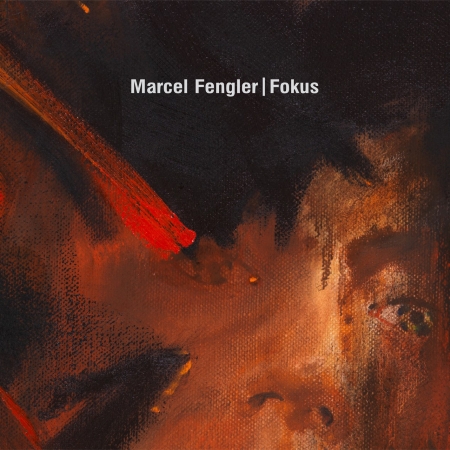
Having already demonstrated his talents at producing bold, gyrating and atmospheric techno through his numerous 12”s on Ostgut Ton, and after offering a window into his DJ mind with the versatile and highly musical ‘Berghain 05’ Mix CD, Marcel Fengler now approaches the album format, exploring his take on electronic music from yet another angle.
Over 11 varied and detailed tracks, his debut album ‘Fokus’ is the product of an intensive 3 months in his Berlin studio, where Fengler developed a sonic concept for an album which expanded his love for outlandish electronics, abstract melody, abrasive textures and dub-wise bass frequencies, all carefully siphoned into a a very concentrated end result.
From the engulfing spaces found in the opening moments of ‘Mayria’ and the introductory ‘Break Through’ (one of two tracks exclusive to the CD version), sweeping layers of synthesis, mysterious sung elements and encircling layers of kinetic energy build. Marcel introduces us to the sound aesthetic of ‘Fokus’ – grating, broken beats are rough yet controlled, detailed hyper-tonal elements swarm and pan, micro details swimming beneath the surface.
Sonically confronting, standing out from any conventional palette of sounds, early tracks like ‘The Stampede’ and ‘Trespass’ offer alternative answers to today’s club tasks. The former a controlled show of fizzing high-ends and agressive percussion, while the latter allows an insight into Fengler’s more complacent side, as ‘Trespass’s more rounded, woody tones form a hypnotising melodic moment.
Maintaing the confident mixture between 4/4 movement and more experimental musical elements and motifs, the melancholic ‘Jaz’ juggles its way across the spectrum, while ‘King of Psi’ unleashes more of Fengler’s trademark texture as static beats are set within a twinkling synthscape – great contrast is to be found!
Exploring yet more sound sources, discordant bells chime as a rasping percussion set kicks ‘Sky Pushing’ into its introverted, paranoid zones. Moving into avant-garde circles, the beautiful ‘High Falls’ filters and shimmers in a reduced intermission.
The frenetic, synth drums and wonderful sequencer madness of ‘Dejavu’ describe another of the album’s strong points perfectly; ‘Fokus’ speaks volumes as something so diverse, yet with such a clear and concentrated production. Combining all the knowledge of an experienced club techno producer and DJ, with a desire to step far out of that well-known box. That in mind, ‘Liquid Torso’ is the album’s epilogue; a scientific, extended tribute to the Bleep.
With ‘Fokus’ Marcel Fengler extracts himself far from the boundaries of a conventional ‘DJ / Producer’ debut album, achieving a very varied, controlled and musical longplayer, that is clearly concerned with satisfying a bright, burning need to express himself through electronic music, in fresh and challenging ways.
Info (German):
Mit zahlreichen 12” Veröffentlichungen auf Ostgut Ton hat Marcel Fengler bereits sein Talent in der Produktion von kühnem, schwungvollem und atmosphärischem Techno demonstriert. Nachdem er mit der vielseitigen „Berghain 05“ Mix-CD Einblicke in sein Gedankengut als DJ gewährte, geht er nun das Albumformat an, indem er seine Ansicht der elektronischen Musik aus einem weiteren Blickwinkel erkundet.
„Fokus” ist mit elf abwechslungs- und detailreichen Tracks das Produkt, welches innerhalb dreier intensiver Monate in dem Berliner Studio von Fengler entstand. Das Klangkonzept für sein Album, die seine Liebe für ausgefallene Elektronik, abstrakte Melodien, brachiale Strukturen und ergreifende Bassfrequenzen darstellt, – ist das Resultat eines sorgfältig erlesenes und intensives Hörerlebnis.
Von den umwölkenden Flächen der Anfangsmomente von „Mayria” und dem einleitenden „Break Through” (einer von zwei Tracks, die exklusiv auf der CD-Version zu finden sind), bauen sich mitreißende Syntheseebenen, mysteriöse Gesangselemente und einkreisende Schichten kinetischer Energie auf.
Marcel führt uns an die Klangästhetik von „Fokus” heran – knarrende, gebrochene Beats sind rau und doch kontrolliert, ausführliche hypertonale Elemente schwenken und schwärmen aus, während Mikrodetails unterhalb der Oberfläche schwimmen.
Tracks wie „The Stampede” und „Trespass” bieten Alternativen zu heutigen Clubmaßnahmen, klanglich konfrontierend heben sie sich von konventionellen Soundpaletten ab. „The Stampede” ist eine beherrschte Darbietung aufbrausender High-Ends und aggressiver Percussions, während „Trespass” mit arrondierten, holzigen Lauten und hypnotisierenden Momenten Einsicht in Fenglers Selbstzufriedenheit gewährt.
Die selbstbewusste Mischung aus 4/4-Movement und experimentellen musikalischen Elementen und Motiven wird konstant gehalten. Das melancholische „Jaz“ jongliert sich über das gesamte Spektrum, während „King of Psi“ das Markenzeichen Fenglers in seiner Textur entfesselt. Statische Beats werden in funkelnde Synthspheren gelegt – ein herrlicher Kontrast!
Mit „Sky Pushing” werden noch weitere Klangquellen erforscht. Disharmonische Glocken läuten zu einem schabenden Percussion-Set, das den Track in introvertierte, paranoide Räume versetzt. Das wunderschöne „High Falls” filtert und schimmert in einem kurzen Zwischenakt und bietet einen Ausflug in die Avantgarde. Die frenetischen Synth -Drums und der traumhafte Sequenzerwahnsinn von „Dejavu” beschreiben eine weitere Stärke des Albums: „Fokus” spricht Bände als etwas so facettenreiches, mit einer jedoch so klaren und konzentrierten Produktion. Dabei wird das gesamte Wissen eines erfahrenen Club-Techno-Produzenten und DJs kombiniert mit dem Verlangen, über den Tellerrand hinauszublicken. In dieser Hinsicht wirkt „Liquid Torso” wie das Epilog des Albums: eine wissenschaftliche, erweiterte Hommage an dem Bleep.
Mit „Fokus” begibt sich Marcel Fengler außerhalb der Grenzen eines konventionellen „DJ/Producer”-Debütalbums und bringt dabei einen sehr vielseitigen, beherrschten und musikalischen Longplayer zustande. Das Album befasst sich eindeutig damit, sein brennendes Bedürfnis danach zu stillen, sich auf neuen, herausfordernden Wegen durch elektronische Musik auszudrücken.
Listen:
Record Release Party:
29.06.2013 Berghain, Berlin
Marcel Fengler, Efdemin, Robert Hood live, Echoplex, Answer Code Request. Click here for details